As AZFamily reported, one resident described opening morning of dove season this year this way: "September 1 in Yuma, it's like grown men are like kids at Christmas." Anyone who has lived here through a few Septembers knows exactly what that feels like. But if you were expecting the usual crush of trucks and trailers clogging every intersection near the fields, this year looked different. The 2026 season opened on a Tuesday instead of a Friday, and by early afternoon, local news crews covering the story noted that overall traffic around town had slowed only slightly compared to last year's Friday opener. Business owners, meanwhile, were still reporting full parking lots and long lines.
That gap between what the roads looked like and what the cash registers looked like is the real story here. Dove season is not primarily a traffic event. It's a reservation event, and most of the money was already locked in before a single shotgun shell hit the ground.
The Season That Gets Booked a Year in Advance
Yuma's early dove season runs from a half hour before sunrise on September 1 through sunset on September 15, and Arizona Game and Fish Department data shows white-winged dove numbers running above average this year, with mourning dove numbers close to typical. That's a decent year for the birds. But the economic engine of the season doesn't depend on this year's bird count nearly as much as it depends on last year's calendar.
At Sprague's Sports near The Big Curve, KAWC reported that range manager Matt Dusek said a lot of hunters book their hotels a couple of years in advance. That single habit explains why the visible chaos of opening day and the actual size of the economic boost don't move in lockstep. Published estimates have pegged the annual impact of dove season on the Yuma economy at $3 million to $6 million, a range that has held steady across multiple seasons because the spending pattern behind it doesn't depend on any single day's turnout. Hunters aren't deciding on September 1 whether to come to Yuma. They decided last September, when they booked the room.
That's why a quieter Tuesday morning on the roads and a still-strong season for local businesses aren't a contradiction. They're the same mechanism working exactly as designed.
Where the Two Weeks Actually Show Up
If you want to see where the season lives, skip the fields and watch the parking lots.
Sprague's Sports has become the unofficial hub of the whole event. On opening morning this year, hunters were buying supplies with the same energy Dusek described in a KAWC report as "like Christmas morning," and the store has historically welcomed close to 2,000 people through its doors over opening weekend alone.
A few miles away, Chretin's Mexican Food saw the same pattern from the other side of the counter. Assistant manager Marissa Marquez told reporters the long lines were a welcome sight, not a burden, which tells you something about how this town has learned to absorb a temporary population spike without losing its footing.
There's also a quieter piece of the machine that most visitors never see. A local nonprofit called Gila Barn Busters sets up its annual operation during the season, cleaning and processing harvested birds for donation to support its charitable causes. That work does double duty. It supports the group's mission, and it sends hunters back out to eat and shop in town rather than spending their whole visit in the field.
Then there's the community side that has nothing to do with commerce at all. The Yuma Valley Rod and Gun Club, a conservation organization that has operated in the valley since 1936, hosts its annual Mike Mitchell Memorial Dove Hunter's BBQ each year, drawing families for a dinner built around wildlife conservation fundraising rather than the hunt itself. It's the kind of event that makes the season feel less like an invasion and more like a homecoming, which is probably why local business owners have hung welcome signs for hunters across town for years.
What Actually Changes, and What Doesn't
For residents who don't hunt, the practical question is simpler than any of this: does dove season change my week?
Mostly, no. Here's what shifts and what stays put.
| Location or routine | What changes during the season | What stays the same |
|---|---|---|
| Sprague's Sports, near The Big Curve | Opening weekend crowds near capacity | Regular hours and staff |
| Chretin's Mexican Food and similar spots | Longer lunch and dinner lines | Same menu, same tables |
| Yuma East and West Wetlands | Nothing changes for walkers or cyclists | Hunting is prohibited here year-round |
| City golf courses and airport property | Nothing changes | Off-limits to hunting by law |
| Residential neighborhoods | A legal buffer zone applies near any occupied home | Streets and yards function normally |
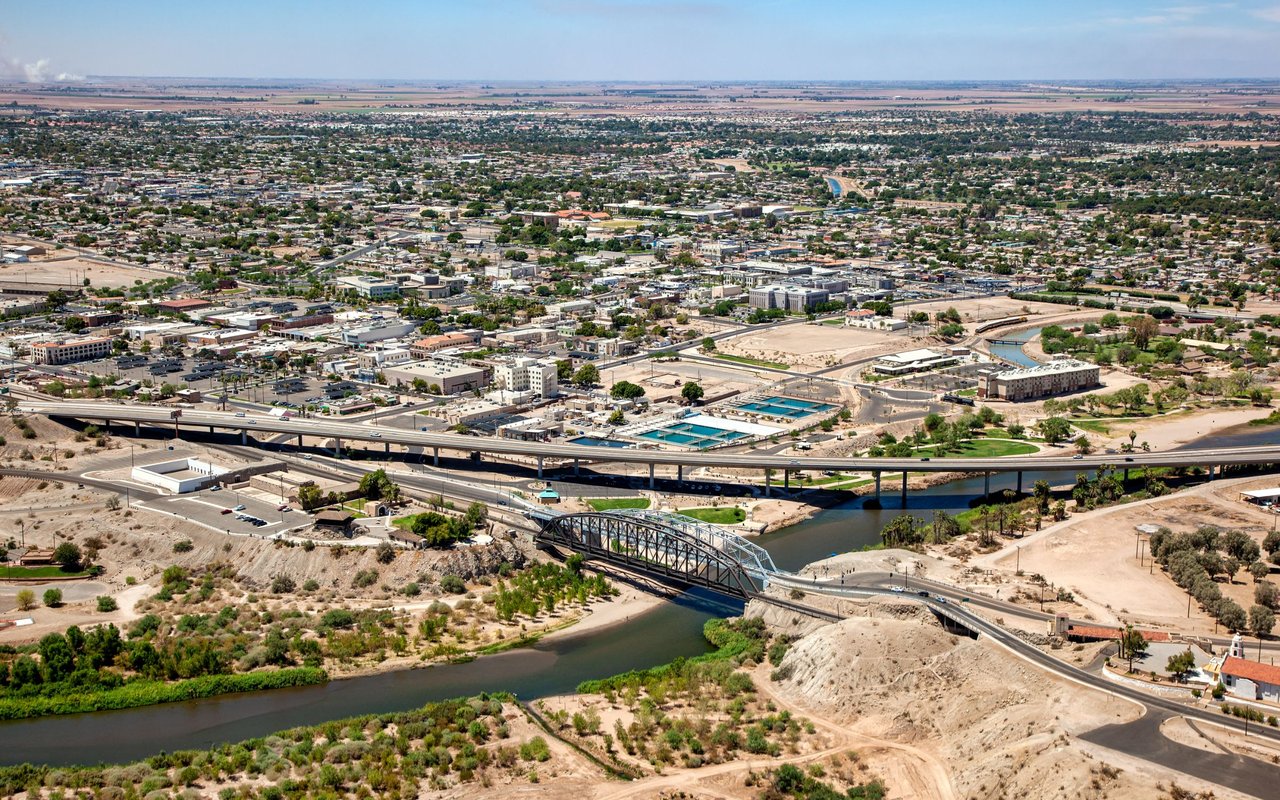
That third row matters more than it looks. The Yuma County Sheriff's Office reminds hunters every year that Yuma's municipal and county parks and preserves, including the East Wetlands and West Wetlands Park, along with golf courses and airport properties, are closed to hunting entirely. If your regular walk or ride takes you through the wetlands trails, dove season changes nothing about that route. The birds may be flying over agricultural land west and south of town, but the places locals actually use for recreation inside the city are carved out by rule, not by courtesy.
The other rules worth knowing, even if you never plan to hunt, explain why the season coexists so smoothly with a growing city. Hunters can't discharge a firearm within a quarter mile of an occupied structure without the resident's permission. They can't shoot across or into a maintained road. They can't trespass on posted private property, damage crops, or leave trash and spent shells behind. Those aren't suggestions. Violations can mean lost hunting privileges or criminal charges, which is part of why a season built around firearms and thousands of out-of-town visitors manages to fold into daily life here without much friction.
A Two-Week Marker for a Town That Runs on Seasons
Yuma organizes its year around signals other places don't have. There's the date harvest, the winter vegetable push, the snowbird arrival each fall. Dove season is the first of those markers, and it lands right at the hinge point between the brutal end of summer and the start of the town's busier months. Business owners have described it for years as less about the birds and more about proof that the slow season is over.
What's easy to miss, especially if you're new to town or you've just never paid attention past the "watch for hunters" signs, is that the event's real footprint is financial and social, not logistical. The roads this year barely noticed. The wetlands trails didn't notice at all. But Sprague's Sports, Chretin's, and a nonprofit BBQ line that's been running since 1936 all noticed plenty, because the money and the tradition were locked in long before opening morning arrived.
If you've lived here a while, none of this changes your September. If you're newer to Yuma and wondering why half the storefronts on your drive to work had welcome signs taped to the window during the season, that's your answer. It ended on September 15, and the wetlands trail looked exactly like it did before the season started.
Curious what else is shifting in Yuma as the seasons turn over, from the housing market to the neighborhoods filling back up after summer? The Ruben Fontanes team keeps a close eye on both the calendar and the market here, and if you're ever ready to see what your own place is worth heading into fall, our Get Your Instant Home Valuation tool is a good place to start.
This article is general information, not legal, tax or financial advice. Consult a qualified professional about your situation.