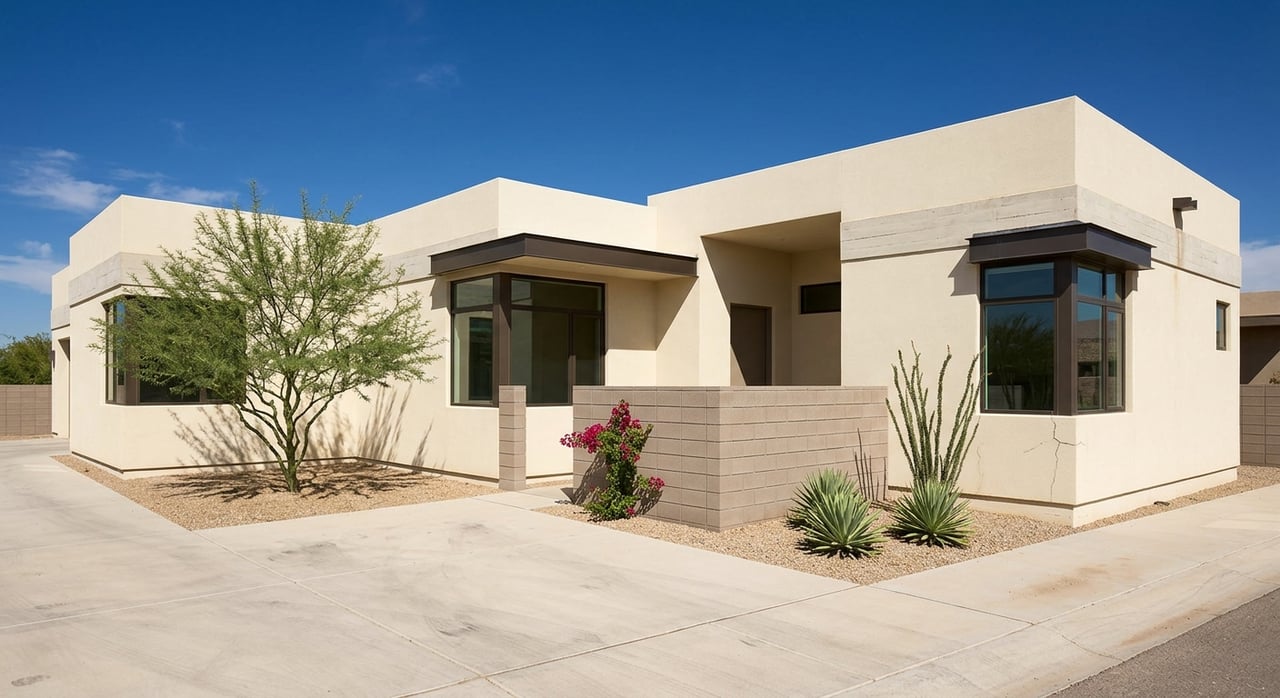
Thinking about buying in Yuma from out of town? It is easy to assume the market is all snowbird properties, bargain homes, and easy desert living. But once you look past the stereotypes, Yuma tells a more complete story. If you are planning a move, second home purchase, or investment here, understanding what buyers often get wrong can help you make a smarter decision. Let’s dive in.
Yuma Is More Than a Seasonal Market
A common mistake out-of-town buyers make is treating Yuma like a place that only comes alive in winter. The reality is much more balanced. Yuma works as both a full-time community and a seasonal destination.
The U.S. Census Bureau estimates Yuma’s population at 103,559 in 2024, with 39,110 households and a 66.8% owner-occupied rate. Those numbers point to a strong year-round housing base. Yuma County also reports about 200,000 year-round residents countywide, plus roughly 90,000 winter visitors.
That matters when you start your home search. A market with full-time residents, seasonal demand, and multiple local industries tends to behave differently than a town built only around vacation housing. In Yuma, agriculture, military, and tourism all play a role in supporting year-round activity.
What this means for you
If you are relocating, you should approach Yuma like a real working housing market, not just a seasonal niche. That means looking carefully at resale trends, neighborhood rules, and home features that support everyday living. It also means competition can be real, especially for homes that check the right boxes.
Yuma Homes Are Not All Retirement Properties
Another myth is that Yuma housing is mostly retirement communities, RV setups, or winter-only homes. While those options exist, they do not define the whole market. Buyers who arrive with that assumption often overlook good fits.
Current Yuma housing options include single-family homes, condos, townhomes, multi-family properties, manufactured or mobile homes, farms, and land. That is a broad mix for a city of this size. You are not limited to one type of lifestyle or one style of property.
This variety is especially important if you are relocating with specific goals. You may want a single-story home, a property with a large yard, a private courtyard, a manufactured home, or even land for a future plan. Yuma offers more range than many out-of-town buyers expect.
Look beyond the stereotype
When you search from a distance, it helps to stay open-minded. A home type you did not originally consider may end up matching your budget, timeline, or maintenance preferences better than expected. In Yuma, flexibility can create more options.
Affordable Does Not Mean Cheap
Yuma is often described as affordable, and in relative terms, that is fair. Redfin reported a median sale price of $336,000 in March 2026, which it said was 24% below the national average. That can make Yuma look very appealing to buyers coming from higher-cost markets.
But affordable does not mean every home is a bargain. It also does not mean you can make a low offer and expect no competition. Redfin described Yuma as a somewhat competitive market, with a 99.0% sale-to-list ratio and 26.7% of homes selling above list price.
Some homes receive multiple offers, and hot homes can go pending in around 42 days. The overall median days on market was 77 days in March 2026, which shows that pricing, condition, and location still matter a lot. In other words, Yuma can offer value, but it is not a market where strategy stops mattering.
Why pricing confusion happens
Part of the confusion comes from comparing different data points. The Census Bureau reports a median owner-occupied home value of $230,000, while Redfin’s current resale median was $336,000 in March 2026. Those figures measure different things, so they should not be treated as interchangeable.
The Census number reflects the broader existing owner-occupied housing stock. The Redfin number reflects what buyers were actually paying in the active resale market. If you are shopping today, current sale trends are usually more useful than older long-run housing value snapshots.
Desert Living Changes What Matters in a Home
Many out-of-town buyers assume dry weather means lower maintenance and easier ownership. The better way to think about Yuma is that maintenance priorities shift. You may worry less about heavy rainfall, but heat, sun exposure, and cooling performance become much more important.
The City of Yuma says the area gets more than 310 days of sunshine each year. NOAA and National Weather Service climate normals cited by the city show an average annual temperature of 76.0°F and annual rainfall of just 3.28 inches. That is a very specific living environment, and your home needs to match it.
A home that looks great online may function very differently in person if you are not paying attention to desert-related features. Cooling capacity, shade, and water-wise outdoor design are not small details here. They are central parts of how comfortably a home lives.
Features worth paying attention to
As you compare Yuma homes, pay close attention to practical details like these:
- Cooling systems and overall indoor comfort
- Shade from patios, overhangs, trees, or courtyard design
- Exterior materials that hold up well in strong sun
- Irrigation setup for landscaping
- Outdoor spaces designed for low water use
- Single-story layouts if heat and stairs are a concern for your lifestyle
These features may not always be the first things an out-of-town buyer notices in photos. But in Yuma, they can have a big impact on day-to-day living.
HOA Rules and Property Setups Vary
Another mistake buyers make is assuming all Yuma neighborhoods follow the same rules or have the same ownership costs. In reality, property setups can vary quite a bit. Some homes may have no HOA, while others may have low HOA dues or different community standards.
That is one reason local guidance matters. Two homes with similar prices can offer very different ownership experiences depending on community rules, property type, and lot setup. If you are buying from another city or state, it is worth slowing down and comparing those details before you commit.
Ask better questions early
Instead of asking only about square footage and price, ask questions like:
- Is there an HOA, and if so, what does it cover?
- Are there restrictions that affect how you plan to use the property?
- Is the property type common for financing and insurance in this area?
- How does the lot or outdoor space function in Yuma’s climate?
Those questions can save you time and help you avoid surprises after you arrive.
Yuma Works for More Than One Type of Buyer
Because the market is so often oversimplified, buyers sometimes miss how many different goals Yuma can support. The area includes options for full-time living, seasonal use, manufactured-home purchases, land opportunities, and a range of residential property types.
That is one reason relocation buyers should avoid making quick assumptions based on national headlines or general desert-market stereotypes. Yuma has its own rhythm, its own inventory mix, and its own buyer behavior. What works in another Arizona market may not line up perfectly here.
The advantage of local perspective
If you are buying from out of town, local insight helps you separate myth from reality. You want to know which home features matter most in the climate, how current pricing compares with expectations, and what kind of property mix is really available. That kind of preparation gives you a stronger starting point before you tour homes or make an offer.
Buying in Yuma can be a smart move, but only if you understand the market for what it is, not what people assume it is. If you want help sorting through homes, manufactured properties, land options, or relocation questions in Yuma, reach out to Ruben Fontanes for local guidance backed by real market experience.
FAQs
Is Yuma only a winter or snowbird market?
- No. Yuma has a large year-round population, and winter visitors add to an already active full-time community.
What kinds of homes can buyers find in Yuma?
- Yuma includes single-family homes, condos, townhomes, multi-family properties, manufactured or mobile homes, farms, and land.
How competitive is the Yuma housing market?
- Redfin described Yuma as somewhat competitive in March 2026, with some homes getting multiple offers and 26.7% selling above list price.
Are Yuma homes always inexpensive?
- Not always. Yuma can offer value compared with many national markets, but the March 2026 median sale price was $336,000, and pricing still depends on the home and market conditions.
What home features matter most in Yuma’s climate?
- Cooling performance, shade, irrigation, durable exterior materials, and water-wise outdoor spaces are especially important in Yuma’s hot, dry environment.
Do all Yuma homes have HOA rules?
- No. Yuma listings can include homes with no HOA as well as properties with low HOA dues or different community rules.
