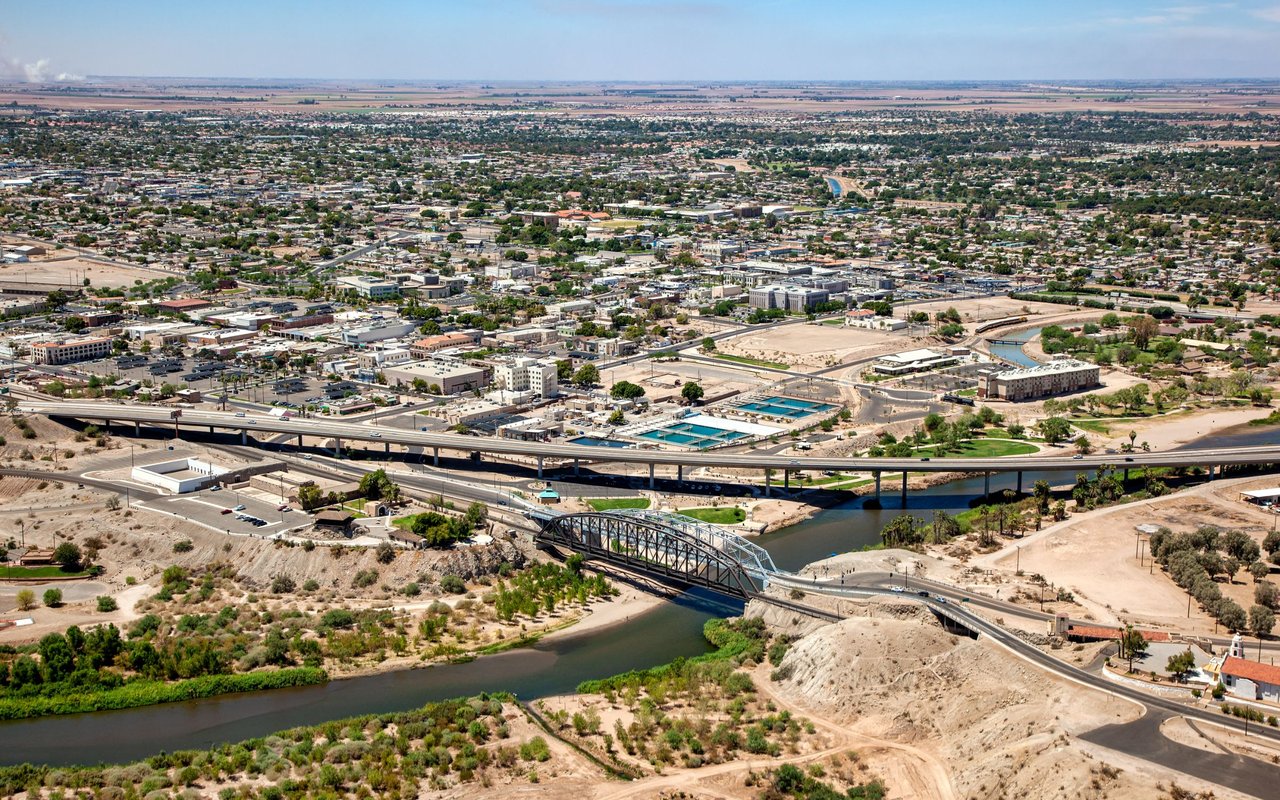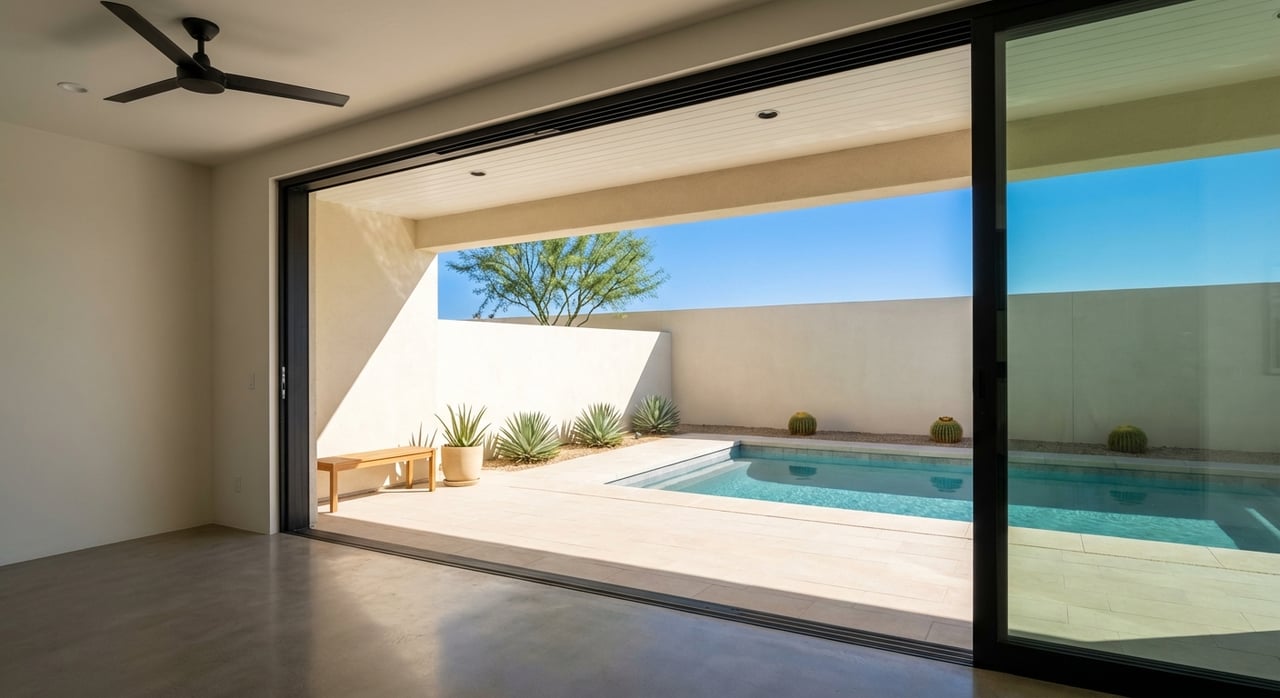
Thinking about trading snow for sunshine this winter? If Yuma is on your radar for a second home, you are in good company. Seasonal living here is about easy winters, simple upkeep, and a community that welcomes long-stay visitors. In this guide, you will learn how to time your stay, choose the right property type, navigate HOA and rental rules, set up utilities, protect your home while you are away, and plan for taxes and insurance. Let’s dive in.
Yuma’s winter rhythm
Yuma’s high season runs through the cooler, drier months. Most snowbirds arrive in late fall and stay into early spring, roughly November through March or April. Visit Yuma’s visitor study identifies a strong winter cohort during February through April, and reports about 877,700 total visitors in the July 2022 to June 2023 window with around $613 million in direct spending.
Winter weather is the draw. Daytime highs commonly land in the upper 60s to 70s Fahrenheit in winter, and warm into the mid 70s to mid 80s by spring. Local coverage often points to tens of thousands of winter visitors in a given season, reflecting how lively the city gets in peak months. You can see that seasonal impact in news reporting on winter visitors.
Home types that work
Seasonal owners in Yuma tend to choose low-maintenance and community-oriented options:
- Condominiums and townhomes - lower exterior upkeep with shared amenities.
- Single-family homes - more privacy and space for guests.
- Manufactured or mobile homes - lower entry price; confirm lot lease vs. lot ownership.
- Age-restricted 55-plus communities - structured activities that fit longer stays.
- RV resorts and parks - a popular seasonal setup with monthly or multi-month options. Explore local choices on Visit Yuma’s RV parks list.
Market snapshots as of early 2026 show median sale prices in the City of Yuma in the low to mid $300,000s. Inventory and pricing can shift quickly with seasonal demand, so check current numbers before you decide.
Read the rules first
If your property sits in an HOA, read everything before you buy or lease. Arizona law gives owners specific rights around HOA records and meetings. Legal summaries of the planned community and condominium statutes outline access to records and open meeting rules. Review an overview of those owner rights in this Arizona HOA statutory summary.
What to request and review:
- CC&Rs - rental limits, occupancy and guest rules, parking, pets, landscape standards.
- Rules and regulations - off-season procedures, irrigation standards, quiet hours.
- Budget, reserves, and planned assessments - large projects can change your carrying costs.
- Rental policy and on-site contact rules - some HOAs require a local contact for complaints.
If you plan to rent the home when you are away, make HOA rules your first stop.
Utilities and city services
Water and wastewater within city limits are managed by the City of Yuma Utilities Department, which posts customer options helpful for seasonal residents. You can review seasonal service steps and rate information on the City of Yuma Utilities page. Many second-home owners keep water and electricity active at a minimum level to protect plumbing, allow irrigation and pool systems to run, and keep safety devices powered.
Trash and recycling: Check curbside schedules and neighborhood clean-ups on the City of Yuma Solid Waste Division page. If your property is outside city utilities, confirm private well or septic details before closing. In manufactured-home parks or RV resorts, ask management about individual metering, off-season procedures, and any turn-off requests.
Internet and phone can vary by block. If fast service is critical for work or streaming, do an address-specific check with providers during your inspection period.
Your away-mode checklist
Use this practical list to secure your Yuma home between seasons:
- Irrigation - set a winter schedule or install a smart controller. Avoid overwatering.
- HVAC - book a service check before departure. Leave the thermostat at a safe setting.
- Pool - set up weekly service while you are away, if applicable.
- Water and power - keep both active at minimal levels to protect systems.
- Gas/propane - turn off if not in use. Confirm with your HVAC or plumbing pro first.
- Leak and temperature sensors - add smart sensors and a Wi-Fi thermostat.
- Local checks - arrange monthly or twice-monthly walk-throughs for leaks, pests, or vandalism.
- Insurance - notify your carrier of your occupancy pattern and ask about vacancy clauses. Many policies reduce coverage after a set number of unoccupied days, so get terms in writing.
Key tip: Put vendor contacts in one place and share them with a trusted local contact.
Renting while you are away
Short-term rentals are possible in Arizona with the right setup. Do three things before you list:
- Confirm the HOA and CC&R rules allow rentals and understand any occupancy or minimum-stay rules.
- Register for Arizona’s Transaction Privilege Tax if you host transient stays, and follow filing rules. Start at the Arizona Department of Revenue.
- Ask your insurance agent about a short-term rental endorsement. Platforms sometimes remit certain taxes for hosts, but the property owner is responsible for correct registration and filing.
Local licensing and reporting vary by city and county. If you plan to host, check City of Yuma or Yuma County requirements in addition to state tax registration.
Taxes and financing basics
Property taxes: Effective tax rates vary by parcel based on overlapping districts. Use the Yuma County Assessor’s resources to review a property’s parcel data and estimate annual taxes as part of your offer planning.
Financing: Lenders treat a second home differently from a primary residence or an investment property. Down payments, rates, and underwriting rules vary by product and lender. Ask your lender to clarify whether your loan will be under primary, second home, or investment guidelines. FHA loans are generally for primary residences only, so confirm your options before you shop.
Residency: If you plan to change residency, review state motor vehicle and tax department rules in your home state and in Arizona so your mail, vehicle registration, and voter registration align with your goals.
Timing your arrival
Most snowbirds aim for late fall arrivals and spring departures. That means popular neighborhoods and RV resorts fill early. If you prefer an RV setup, start scouting well before peak season using Visit Yuma’s RV park directory. For condos, townhomes, and manufactured homes, ask for recent sales and coming-soon listings so you can move fast when inventory appears.
How our team helps
You want a smooth, low-stress seasonal setup. Here is how our team approaches it:
- Buyer representation across single-family, condos, manufactured homes, and land in Yuma and nearby towns.
- Pre-offer due diligence on neighborhoods and HOA packages to surface rental rules, budgets, and reserve status.
- Local vendor introductions for cleaning, pool care, HVAC, irrigation, and pest control.
- Seasonal opening and closing checklists tailored to your property so you can arrive and depart with confidence.
- Investor and 1031 exchange support if you are repositioning assets.
- Clear, bilingual communication. Hablamos español.
Ready to plan your Yuma season or explore a second home that fits your goals? Connect with Ruben Fontanes for a local game plan that saves time and avoids surprises.
FAQs
When is peak season in Yuma for snowbirds?
- Most seasonal residents arrive in late fall and stay through early spring, with high-season survey windows centered on February through April according to Visit Yuma’s report.
What utility setup do part-time Yuma owners use?
- Many keep water and electricity active at low levels for plumbing, irrigation, and safety systems, and use the City’s seasonal service options described on the Utilities page.
Can I operate a short-term rental at my Yuma second home?
- Possibly, but you must confirm HOA rules, register for Arizona’s Transaction Privilege Tax with the Department of Revenue, and check any City or County licensing and insurance requirements.
Where do I check property taxes for a Yuma home?
- Start with the Yuma County Assessor for parcel records and to estimate taxes based on the property’s districts.
What home types fit seasonal living in Yuma?
- Condos and townhomes for low maintenance, single-family homes for privacy, manufactured homes for value, and RV resorts for flexible stays. See local options on Visit Yuma’s RV parks list.