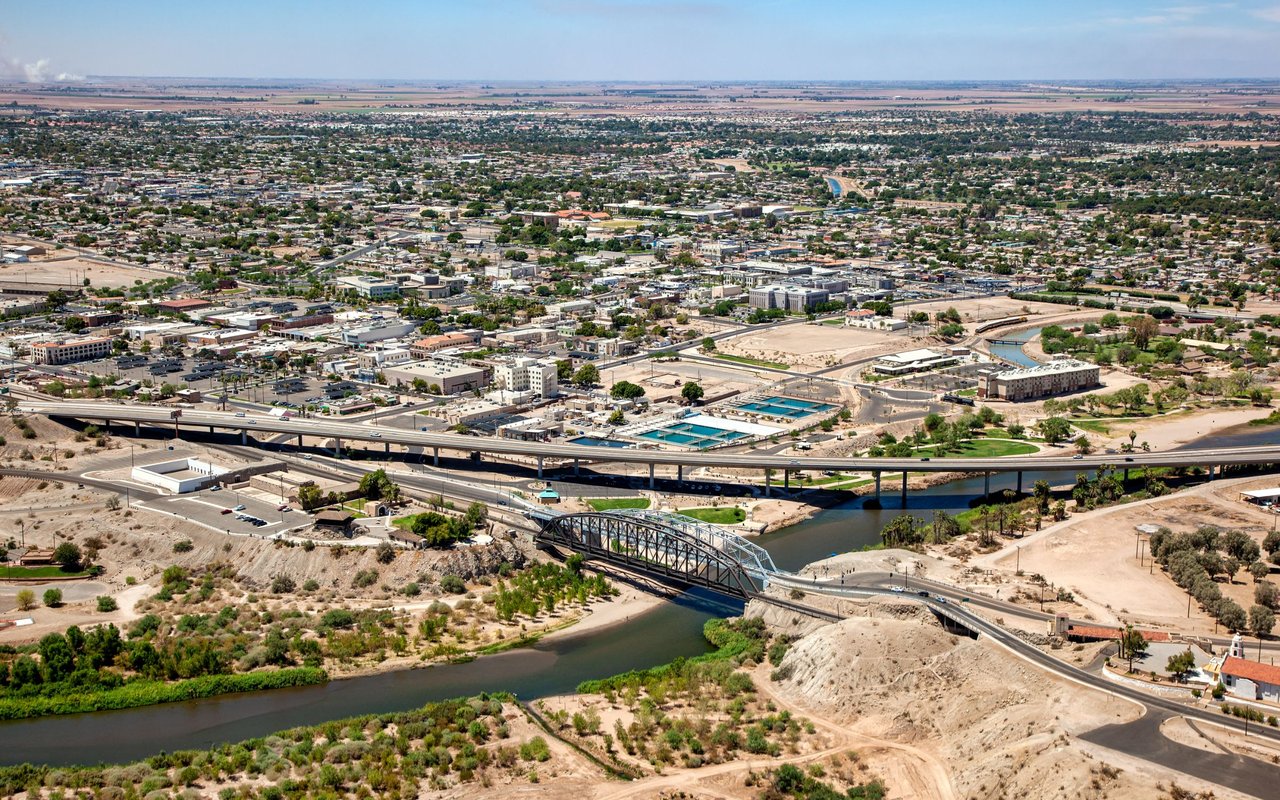
Thinking about trading gray skies for sunny days and a simpler budget? If Yuma is on your radar, you’re not alone. Many buyers and sellers look here for desert beauty, mild winters, and a cost of living that often tracks near the national average. In this guide, you’ll see how housing, utilities, taxes, jobs, and lifestyle really fit together so you can plan with confidence. Let’s dive in.
Cost of living at a glance
Yuma’s overall affordability usually comes down to housing choices, energy use for cooling, and how you get around. Many cost-of-living indices historically place Yuma near or slightly below the U.S. average, with housing as the biggest driver. The city counted 95,548 residents in the 2020 Census, and winter visitors increase population seasonally, which can shape rental demand and availability. You can review current basics on the U.S. Census Bureau QuickFacts for Yuma.
Housing costs: the biggest factor
For buyers
Home values in Yuma have typically been more attainable than large coastal metros, with options ranging from established in-town neighborhoods to newer subdivisions and manufactured-home communities. Prices vary by location, age of home, lot size, and condition. If you need VA, FHA, or conventional financing guidance, you’ll want local insight and lender connections to match your budget and timeline.
What to consider:
- Ask about HOA rules and fees in newer communities.
- Factor in desert-friendly landscaping and cooling system maintenance.
- Compare neighborhoods for commute times, nearby services, and future resale.
For renters
Rental options include apartments, single-family homes, and seasonal stays that cater to winter visitors. Availability and pricing can shift between November and March, so plan ahead if you need a flexible move-in date. If you want a longer lease at a steady rate, searching outside peak season can help.
Tips to get current prices
- Review live MLS listings and recent sales with a local agent for accurate, up-to-the-minute pricing and days on market.
- If you are relocating, request a tailored search and a video tour plan to compare homes efficiently.
Utilities and energy in the desert
Yuma’s desert climate means cooling is your largest energy cost during summer. Efficient HVAC, window shading, and smart thermostats can meaningfully reduce monthly bills. For electricity plans, review rate options and time-of-use plans from providers such as Arizona Public Service.
Water use deserves attention too. Many homes use irrigation for desert landscaping. Before you move, confirm water, sewer, trash, and internet providers for your specific address. If you are buying, ask for the last 12 months of utility bills to estimate your budget.
Taxes: what to know
- State income tax: Arizona’s structure has changed in recent years. Review brackets, credits, and filing details with the Arizona Department of Revenue.
- Sales tax: Combined state and local rates vary by city and county. Check current transaction privilege tax details with the state and verify any city-specific rates.
- Property tax: Arizona’s property tax rates are generally moderate. Effective taxes depend on assessed value and local levies. Visit the Yuma County Assessor for valuation, exemptions, and how assessments work.
Transportation and commute
Yuma is a car-first market with quick access via I‑8 and US‑95. Commutes are typically shorter than major metro areas, which can save time and fuel. If you rely on public transit, review routes and schedules through Yuma County Area Transit (YCAT), since coverage and frequency are more limited than in large cities.
Pro tips:
- Budget for summer vehicle maintenance and reliable air conditioning.
- If you prefer walkability, focus your home search near daily services and parks.
Groceries, goods, and services
You will find national chains and local supermarkets along with easy access to fresh regional produce, especially during agricultural seasons. Prices often track at or near national averages. For recurring services like landscaping or pool care, obtain two or three local quotes to lock in reliable scheduling during peak months.
Healthcare and childcare
Yuma is served by major providers, including Yuma Regional Medical Center. If you need specialized care, confirm which services are local and which may require travel to larger metro areas. Childcare costs and availability vary by neighborhood, so start outreach early if you need infant or preschool care.
Jobs and the local economy
Yuma’s economy blends agriculture, military and defense, healthcare, education, retail, and government roles. Seasonal agricultural work influences employment patterns, and defense-related jobs connect to the Marine Corps Air Station and Yuma Proving Ground. For a current snapshot of unemployment and labor trends, consult the Bureau of Labor Statistics Local Area Unemployment Statistics.
What this means for you:
- Job growth can move seasonally, so align your home search with your employment timeline.
- If you are a contractor or remote worker, verify broadband options at the property level before you make an offer.
Lifestyle and climate
Yuma’s winters are mild and a major draw for outdoor activities. You can enjoy the Colorado River, golf, desert trails, and historic sites. Summers are very hot, so plan daily routines around early mornings and evenings, and make home cooling a priority. For historical weather patterns and averages, explore NOAA climate normals.
Heat-smart habits:
- Service your HVAC before summer and replace filters regularly.
- Add shade screens, ceiling fans, and window coverings to reduce load.
- Keep hydration and sun protection top of mind for all ages.
Neighborhoods and housing types
- Central and in-town areas: Closer to services and shorter commutes, often with older homes and established streets.
- Suburban and newer builds: Typically larger lots and newer construction, often with HOA guidelines.
- Manufactured homes and mixed communities: A meaningful share of the local market, offering varied price points and amenities.
Ask your agent to help you compare lot sizes, HOA policies, and typical utility costs by neighborhood so you can balance budget with lifestyle.
Schools and education
Yuma offers public school options across several districts as well as charter schools. To review performance, enrollment, and program details, use the Arizona Department of Education Report Cards. For higher education and workforce training, explore programs through Arizona Western College.
Note: Use only neutral, fact-based criteria when comparing schools, such as academic programs, transportation, and schedule fit.
Moving timing and practical tips
- Seasonality: November to March brings more visitors, which can tighten short-term rentals and raise demand. If you want more options, consider shopping in the off-season.
- Summer moves: Plan early morning or evening load times to avoid peak heat, and confirm mover availability.
- Setups: Arrange water, sewer, electricity, trash, and internet before move-in. If your home has irrigation, verify timers, zones, and any separate accounts.
How the Fontanes Team helps you move with confidence
Whether you are buying, selling, or investing, you deserve a disciplined plan and clear communication. Our team combines deep local expertise with technology that surfaces the right homes fast. We support VA, FHA, and conventional buyers, guide investors through land and manufactured-home opportunities, and help sellers launch listings that attract attention quickly. We also offer relocation support and 1031 exchange guidance.
What you can expect:
- A tailored search with neighborhood-by-neighborhood insights and video tours if you are remote.
- Transparent pricing and comps pulled from live market activity.
- A clear closing roadmap, from inspections to utilities and move logistics.
Ready to take the next step? Schedule a quick strategy call, or jump-start planning with an instant home valuation. Connect with Ruben Fontanes and our team today. Hablamos español.
FAQs
Is Yuma affordable compared with other cities?
- Yuma often compares near or slightly below the national average, with housing as the main cost driver. Review your specific budget using local MLS data and cost-of-living tools, and verify demographics on U.S. Census QuickFacts.
How hot are Yuma summers and how do I plan?
- Summers are very hot, so expect higher cooling bills; budget for efficient HVAC, window coverings, and off-peak energy plans, and review historical patterns via NOAA climate normals.
What are the main job sectors in Yuma, AZ?
- Agriculture, military and defense, healthcare, education, retail, and government lead the local mix; check current labor trends using BLS Local Area Unemployment Statistics.
What should I know about taxes before moving to Yuma?
- Arizona’s income tax, sales tax, and property tax vary by situation; review state rules at the Arizona Department of Revenue and property valuation and exemptions with the Yuma County Assessor.
Does Yuma have public transit options?
- Yes, Yuma County Area Transit operates fixed routes with limited coverage and frequency compared with large metros; check schedules and maps at YCAT.
Where can I find information on local hospitals and doctors?
- Start with Yuma Regional Medical Center for hospital services, then verify network coverage through your health plan and identify any specialists that may require travel to larger metro areas.