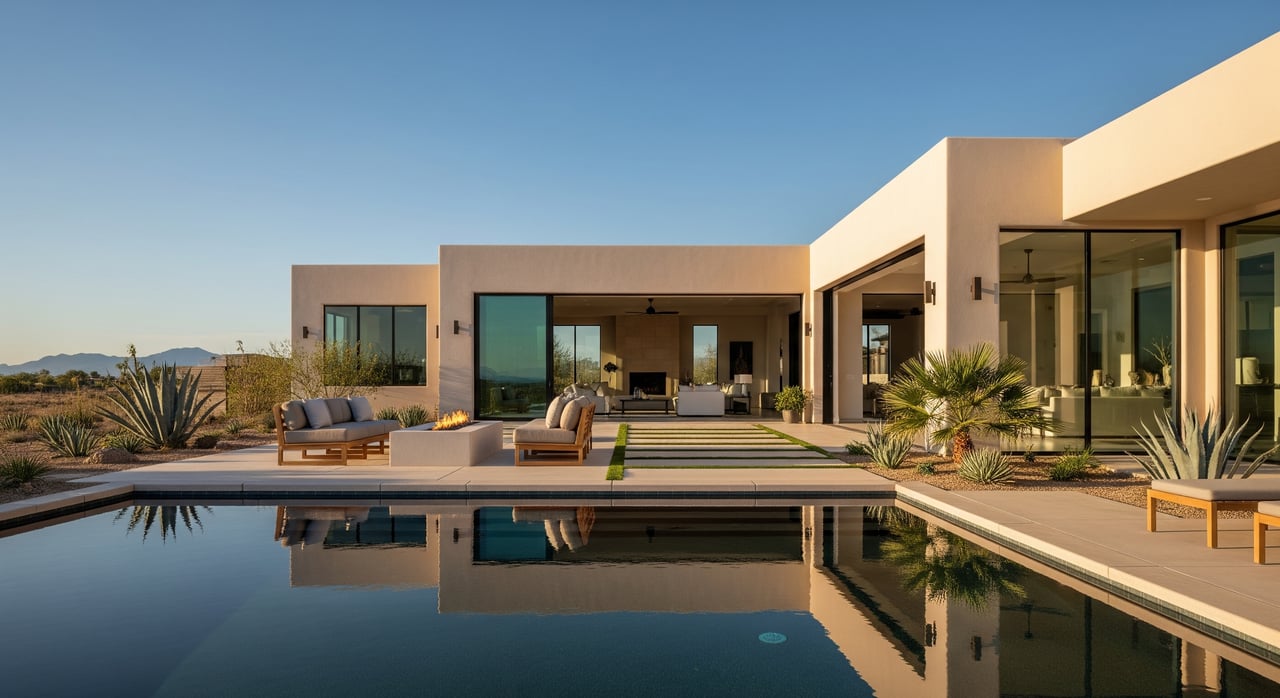
Pricing a home in Yuma is part science and part local timing. You want every showing to count, and you want a price that attracts the right buyers without leaving money on the table. If you understand Yuma’s seasonality, military relocations, and neighborhood differences, you can price with confidence. In this guide, you’ll learn what data to gather, how to analyze it, and which pricing strategy fits your goals so you can move forward with clarity. Let’s dive in.
Know what drives price in Yuma
Seasonality and winter visitors
Yuma sees a meaningful bump in buyer activity from late fall through early spring as winter visitors return. Showings often increase and days on market can compress during this period. Listing in high season can boost exposure, but inventory may rise at the same time, so your pricing still needs to be competitive.
Military and relocation demand
Yuma Proving Ground and MCAS Yuma create steady relocation activity. That adds a consistent base of buyers, including those on transfer timelines. If your home offers easy maintenance, functional storage, and flexible closing terms, you can appeal to these buyers without having to underprice.
Neighborhood-level differences
Downtown Yuma, the Foothills, and nearby towns like Somerton and San Luis can have very different price expectations. Use neighborhood-specific comps rather than citywide averages. Keep property traits tight when comparing, including lot size, year built range, and school zones in a neutral way.
Climate features buyers value
Extreme summer heat shapes buyer preferences. Energy-efficient features, well-maintained HVAC, shade structures, and low-maintenance yards can improve perceived value. Pools can be a plus if they are well presented and supported by clear maintenance records.
Gather the right data before you price
Use current, local numbers. Focus on your immediate neighborhood and the last 3 to 6 months.
- Recent sold comps in your neighborhood (expand to 6–12 months if activity is low)
- Active listings and their list prices
- Pending sales to gauge momentum
- Days on Market and Cumulative DOM
- List-to-sale price ratio
- Inventory and absorption rate
- Median or average sale price trends, month-over-month and year-over-year
- Price per square foot for similar properties
- Mortgage rate context to understand buyer pool size
How to pick reliable comps in Yuma
Start within 0.5 to 1 mile for in-town areas. Expand to 1 to 3 miles where neighborhoods are larger or inventory is thin. Keep to similar bed and bath counts, within about 15 percent of your square footage, similar lot size, and a comparable year built range. Adjust for condition, updates, lot premiums, pools, views, garage type, and any permitted additions.
Quick formulas that guide your price
- Absorption rate = homes sold in the past 30 days divided by current active listings. Months of inventory = 1 divided by absorption rate.
- Price per square foot = sale price divided by finished living area.
- List-to-sale ratio = sale price divided by list price. Above 1.0 suggests strong competition; below 1.0 points to discounting.
Use these trends alongside comps to spot whether the market is favoring sellers or buyers in your pocket of Yuma.
Build a pricing strategy that fits your goals
Market-based pricing
This is the baseline. Set your list price from a calibrated CMA and current local conditions. Pros: targeted buyer interest, fewer days on market, and a higher chance of selling near market value. Cons: requires accurate, up-to-date comps and fast adjustments if the market shifts.
Price slightly below market
This is an aggressive launch strategy to spark multiple offers. It works best when demand is strong, such as during winter visitor season. Pros: can drive a final sale above list if competition forms. Cons: can backfire in softer demand and may leave money on the table if traffic is light.
Price at or above market
This strategy tests whether a premium buyer will emerge or gives you room to negotiate down to your target. Pros: can feel more comfortable if you want negotiating space. Cons: often leads to longer days on market and fewer showings, and it can require a reduction if buyers resist the price.
Example: a simple Yuma CMA walk-through
Here is a straightforward, hypothetical example to show the math behind a pricing range.
Subject home: 1,800 sq ft, 3 bed, 2 bath, built in 2005, standard lot, well-maintained, no pool.
- Comp A: 1,750 sq ft, similar condition, sold at 360,000. PPSF = 206.
- Comp B: 1,860 sq ft, slight kitchen update, sold at 382,000. PPSF = 205.
- Comp C: 1,820 sq ft, older roof, sold at 368,000. PPSF = 202.
Adjustments:
- Subject is slightly larger than Comp A: +5,000.
- Subject lacks Comp B’s kitchen update: -7,500.
- Subject’s roof is newer than Comp C: +6,000.
Adjusted indicators:
- Comp A adjusted = 365,000.
- Comp B adjusted = 374,500.
- Comp C adjusted = 374,000.
From these adjusted figures, a calibrated price range could land around 365,000 to 375,000 depending on timing, inventory, and how your marketing package compares. Re-run a CMA right before you list so the range reflects the latest actives and pendings in your Yuma neighborhood.
Time your launch for maximum impact
Late fall through early spring often brings more motivated buyers. If your home fits what winter visitors or relocating buyers seek, consider launching during that window. Remember that more listings also hit the market then, so your price, photos, and description must stand out. If listing in summer, emphasize energy efficiency and consider flexible terms to keep your price competitive.
When and how to adjust price
The first two to three weeks are critical. If you see low showings or weak feedback in the first 7 to 14 days, review your price and marketing. Avoid many small reductions. Plan one decisive adjustment with a refreshed marketing push so the listing feels new to buyers watching the market.
Non-price levers that lift your net
Minor repairs, deep cleaning, and focused staging can improve first impressions and support your price. Professional photography, virtual tours, floor plans, and clear property details increase showing rates. Flexible terms, such as a closing window that fits a relocation schedule or targeted concessions, can help you hold a slightly higher list price while still attracting offers.
Your Yuma pricing checklist
- Gather local comps from the MLS: solds from 3 to 6 months, plus actives and pendings.
- Calculate price per square foot for close comps and note adjustments for condition and features.
- Compute absorption rate and months of inventory for your immediate area.
- Review Days on Market and list-to-sale ratios for comparable homes.
- Identify your most likely buyer types and how seasonality may affect them.
- Choose a pricing strategy with your agent: market-based, slightly below market, or testing higher.
- Complete low-cost repairs, declutter, and secure professional photos before going live.
- Set a contingency plan to review at 14 days and adjust at 21 to 28 days if needed.
- Consider a pre-list inspection if your home is older or has known issues.
- Re-check the CMA right before listing to ensure your price is current.
Avoid these pricing pitfalls
- Relying only on automated valuations without a local CMA.
- Ignoring seasonality or the impact of relocating military buyers and winter visitors.
- Setting an emotional price instead of a market-supported price.
- Skipping staging and professional photography on higher-priced listings.
- Making multiple small reductions instead of one strategic adjustment.
Ready to price with confidence
You do not need to guess your price. With tight neighborhood comps, a clear strategy, and a smart launch, you can attract serious buyers and protect your bottom line. If you want a fast, data-driven plan tailored to your home and neighborhood, our team can help you prepare, price, and launch with discipline and speed. Connect with Ruben Fontanes for a local CMA and an instant valuation to get started today. ¿Prefieres en español? También te ayudamos.
FAQs
In Yuma, should I overprice and negotiate down?
- Overpricing often reduces showings and increases days on market, which can lower your final sale price compared with a competitive, data-driven list price.
Is a CMA the same as an appraisal for my Yuma home?
- No, an appraisal is a formal valuation used for lending or tax matters, while a CMA is an agent analysis to set a market-supported list price.
How long should I wait to reduce my Yuma listing price?
- Monitor the first 7 to 21 days; if showings and feedback lag behind similar listings, plan a decisive adjustment rather than multiple small cuts.
Do small improvements boost my Yuma sale price?
- Target low-cost, high-impact updates like fresh paint, light landscaping, and minor kitchen or bath refreshes to improve appeal and support your price.
Do I need a pre-list inspection in Yuma?
- It can help reduce surprises and speed closing, especially for older homes or properties with known issues; weigh the cost against the benefit for your situation.
