Introduction
Yuma, AZ holds layers of history that reward curious exploration. Historic sites range from military landmarks to riverfront relics and architectural survivors. The following sections highlight lesser known places and features that offer rich stories and practical tips for visiting or researching local history.
Historic Yuma Quartermaster Depot Complex
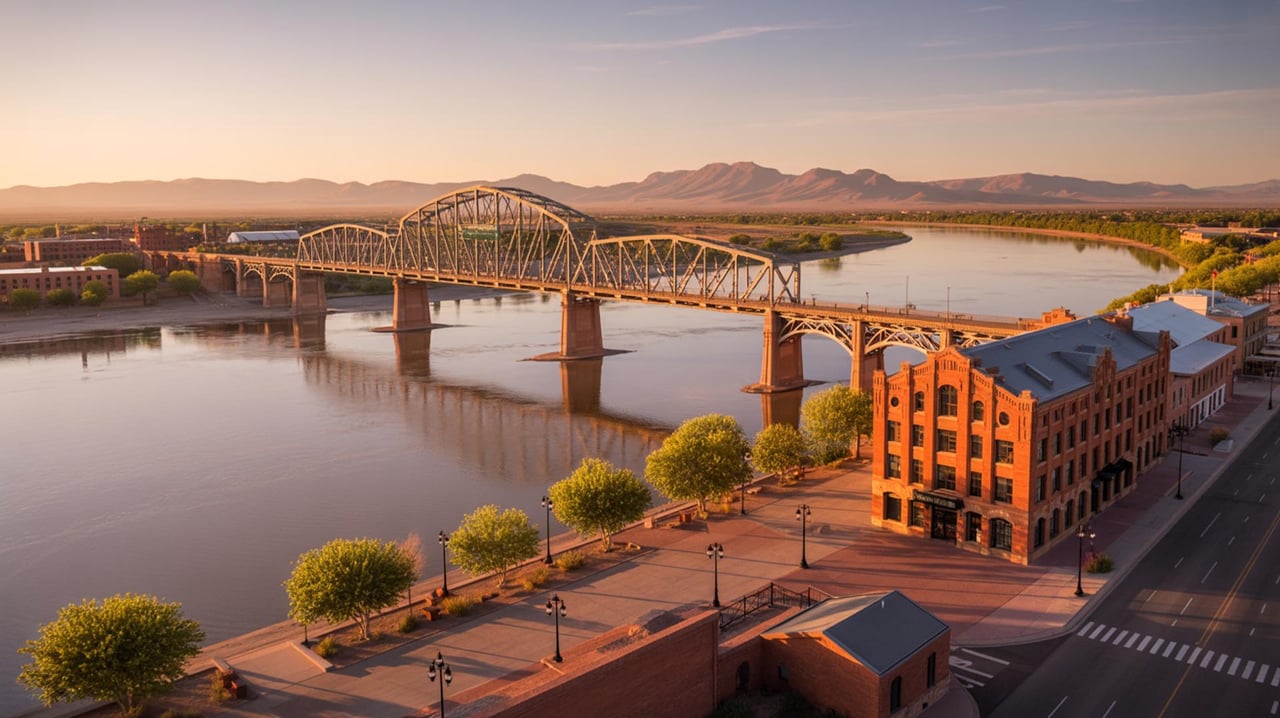
The Quartermaster Depot Complex served as a major supply hub for army operations. The brick warehouses and barracks show military logistics from a past era. Visitors can view restored structures and interpretive displays that explain supply routes and daily life at the depot. Seek the guided tours offered by the site to access archival photographs and oral histories. Park in the official lot nearby — spaces fill quickly during special programs. Photographs taken in the early morning capture long shadows that emphasize the masonry details.
Ocean-to-Ocean Bridge And Riverside Walk
The Ocean-to-Ocean Bridge spans the Colorado River and illustrates early twentieth century engineering. The bridge connects Yuma with adjacent riverfront areas and served as a key crossing for regional traffic. Walk along the riverside path to observe the bridge from multiple angles and to read historic plaques describing construction methods and transportation shifts. Bring comfortable shoes for the river trail and a hat for sun protection. Early light reveals steelwork patterns that go unnoticed at midday.
Yuma Territorial Prison State Historic Park
The prison complex sits on a hill with commanding views of the valley. Its stone cell blocks and guard towers convey penal practices of the territorial period. Onsite exhibits include original artifacts and records that document inmate life and administration. Plan a self-paced visit to allow time for the cell block interiors and the adjacent museum galleries. The interpretive staff can point to archival sources for further research into specific inmates or incidents.
Historic Downtown Yuma Commercial Corridor
The downtown corridor contains commercial buildings with period facades and vintage signage. Many storefronts were constructed during a growth phase tied to regional trade and transportation. Walk the main streets to study architectural elements such as cornices, transom windows, and ornamental brickwork. Local walking maps often note restoration efforts and the original uses of prominent buildings. Notice the adaptive reuse projects that maintain historical character while serving modern needs.
Yuma Crossing National Heritage Area Sites
Yuma Crossing includes riverfront locations that were critical for early travel and trade. The heritage area preserves landing sites, ferry locations, and interpretive points that trace overland routes. Explore the marked points to trace how river crossings shaped settlement patterns. The heritage area provides printed guides that map key sites and timelines. Carry a paper map for reference when phone reception is limited near the river.
Historic Agricultural Landscapes And Irrigation Features
Yuma's agricultural history appears in old canals, pumping stations, and field patterns that shaped early farming. Remnants of original irrigation infrastructure demonstrate how water management enabled regional cultivation. Visit accessible canal edges and observation points to see historic alignments and masonry headgates. Consult county records to locate historic irrigation plans and construction dates. Wear sun protection and bring binoculars to examine masonry details from a safe distance.
Old Yuma High School And Architectural Survivors
Several educational buildings and civic structures remain as examples of early twentieth century design. The old high school building features period masonry and stylistic elements that reflect civic pride. Inspect exterior detailing such as window surrounds and entry portals to appreciate construction techniques. Contact local historical societies to request archival photographs that show the building over time. Photograph the façades in late afternoon light to highlight relief work.
Historic Ranch Sites On The City Periphery
Ranch properties around Yuma contain preserved homesteads, corrals, and stonework that tell stories of agricultural settlement. These sites often retain original layouts and landscape features. Respect private property boundaries and seek permission before approaching occupied ranches. County land records can identify historic parcel owners and development timelines. Drive the rural routes at a slow pace to spot preserved outbuildings and dated markers.
Railroad-Related Structures And Right-Of-Ways
Railroad lines influenced Yuma's growth and left behind bridges, depots, and freight facilities. Surviving depots show architectural detailing linked to early rail commerce. Follow preserved right-of-ways where accessible to view ballast, ties, and bridge abutments that remain in place. Check public records for construction dates and railroad company names to build a timeline. Use a camera with a zoom lens to capture fine ironwork from approved viewing spots.
Historic Cemeteries And Monumental Inscriptions
Historic cemeteries contain headstones and monuments that record personal names, dates, and social ties across generations. Tombstone inscriptions reveal migration patterns and local professions. Walk the marked paths to read epitaphs and locate notable gravesites. Bring a notebook to transcribe worn inscriptions and compare them with burial registers held by local archives. Respect grave markers and follow posted rules about photography and access.
Explore Yuma's Hidden Historic Gems
Yuma's rich past is tucked into quiet courtyards, weathered storefronts, and overlooked neighborhoods just waiting to be rediscovered. Whether you're a history buff or house-hunting for character-rich properties in Yuma, AZ, these hidden spots offer a deeper connection to the city's story. For personalized insight and local knowledge, check out Ruben Fontanes, who can point you to the best historic corners and homes. Ready to explore Yuma's past and find a place to call your own? Contact Ruben today to set up a tour or get tailored neighborhood recommendations.
