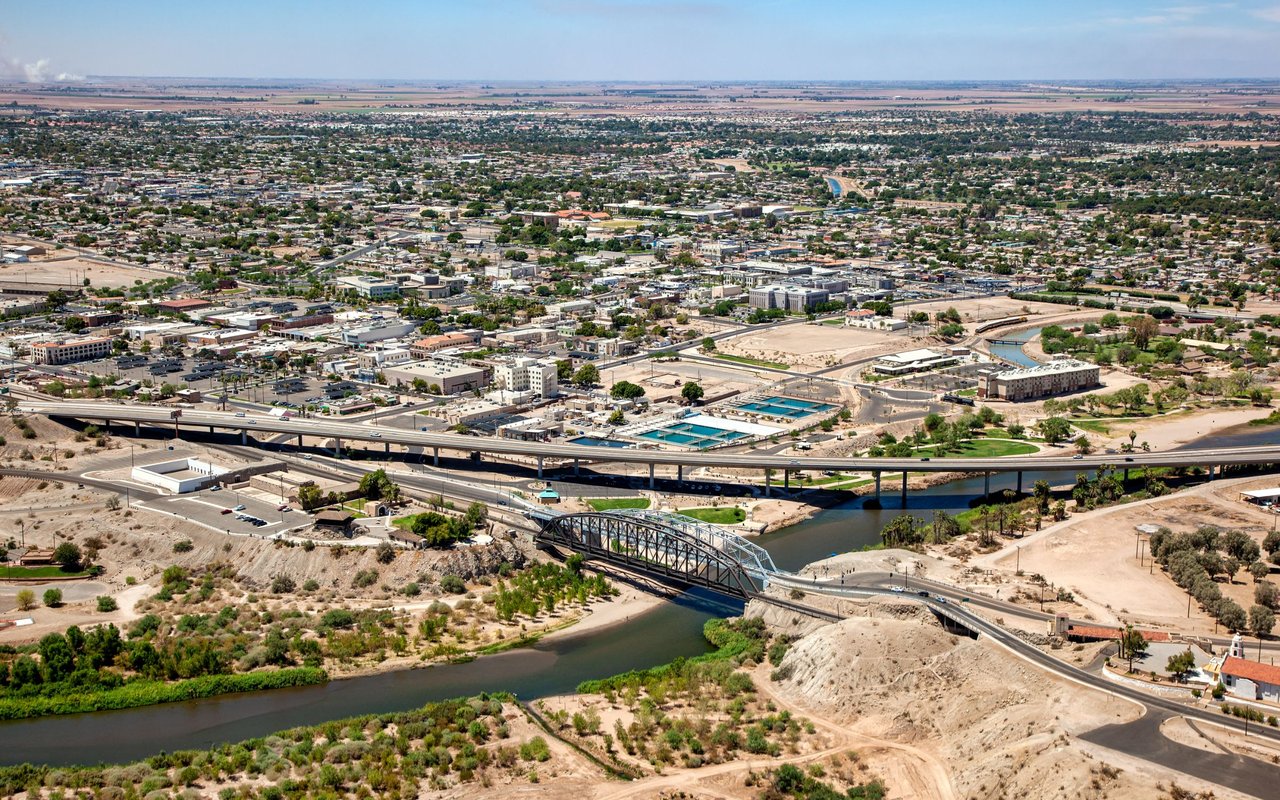
Making an offer on a home in Yuma and not sure how much earnest money to put down? You want your offer to stand out without risking more than you should. In this guide, you will learn what earnest money is, how it works under Arizona contracts, what is typical in Yuma right now, and the protections that help you keep your deposit safe. You will also get simple checklists you can use today. Let’s dive in.
What is earnest money
Earnest money is a deposit you pay after your offer is accepted. It shows the seller you are serious and it is held by an escrow or title company. If you close, your deposit is applied to your down payment or closing costs. If the deal cancels under a valid contingency, you may get it back based on the contract.
Earnest money is different from your down payment. It is also different from any optional inspection or option fee some sellers request. An inspection or option fee is often non-refundable unless you negotiate otherwise. Earnest money can be refundable if you follow the contract terms.
How it works in Yuma and Arizona
Contract terms and deadlines
Your purchase contract sets the earnest money amount, how you will deliver it, and when it is due. In Arizona, it is common for the deposit to be due soon after acceptance. Many contracts call for delivery within 1 to 3 business days. Always follow the exact deadline and method written in your agreement.
Who holds the funds
In most Yuma transactions, a title or escrow company holds the earnest money. Less often an attorney or a brokerage escrow account holds it. The contract or escrow instructions will name the escrow agent. Your check or wire is made payable to that escrow agent.
Contingencies and refunds
Most Arizona purchase contracts include common contingencies. These protect you and control whether your earnest money is refundable.
- Inspection contingency. You can inspect the home and request repairs or cancel within the inspection period.
- Loan or mortgage contingency. If you cannot get financing and you follow the notice rules, you may cancel.
- Appraisal contingency. If the home does not appraise to the level your lender requires, you may have options to cancel.
- Title contingency. You can cancel if title issues cannot be cleared per the contract.
To keep refund rights you must meet all deadlines and provide written notice the way the contract requires. Timing matters. Keep proof of what you send.
At closing or if a party breaches
If you close, your earnest money is credited to your funds at settlement. If you cancel under an allowed contingency or you and the seller sign a mutual cancellation, the funds are returned per the contract.
If a buyer defaults without a valid contingency, the seller may be allowed to keep the earnest money as liquidated damages or seek other remedies if the contract provides for that. If a seller fails to perform, the buyer may be owed a refund and other remedies the contract allows. Always read the exact language in your contract.
How much to offer in Yuma
Typical ranges you may see
Earnest money amounts vary with price point and competition. In many Arizona markets:
- Lower-priced residential homes often see deposits from a few hundred dollars to several thousand dollars, for example 500 to 5,000 dollars.
- Higher-priced homes often use a percentage, commonly 1 to 3 percent of the purchase price.
These are examples of common practice, not legal rules. Your best guide is the current local market.
Yuma market factors
Yuma has its own dynamics that influence earnest money size and negotiation:
- Seasonal demand. Winter visitors can increase competition in peak months, which can push deposits higher.
- Military moves. Marine Corps Air Station Yuma influences moving cycles and timing.
- Agriculture and local employment. Shifts in hiring and seasonality can change supply and demand.
- Price points. Yuma’s typical home prices are often more modest than larger Arizona metros, which can mean smaller nominal deposits on many sales.
In a multiple-offer situation, some buyers raise the deposit and tighten contingencies to stand out. In a slower period, you may use a smaller deposit with standard protections and still be competitive.
Strategy tips for buyers and sellers
- Buyers. Pick a number that shows commitment but still protects your cash. Ask your agent what is common this week for your price range and neighborhood.
- Sellers. Set clear deposit expectations up front and require on-time delivery to escrow. Larger deposits can reduce risk when inventory is tight.
Protect your deposit
When it is refundable
Earnest money is commonly refundable if you cancel within a valid contingency window, if both parties sign a mutual release, or if the seller breaches. You must follow the contract process, including timing and written notice, to qualify for a refund.
When the seller may keep it
If a buyer cancels after contingencies expire or fails to perform without a contract excuse, the seller may be allowed to retain the deposit as liquidated damages or seek other remedies, depending on the contract.
Avoid common risks
- Meet every deadline in writing. Use the forms in your contract, send notices on time, and keep copies.
- Verify escrow details before sending money. Always confirm wiring instructions by phone using a known number. Do not rely on email links.
- Get all changes in writing. Verbal agreements create confusion and risk your refund rights.
- Confirm deposit receipt. Ask your escrow officer for written confirmation that your funds posted to the file.
Step-by-step checklists
Buyer checklist
- Confirm the deposit amount and delivery deadline in your signed offer.
- Select a reputable Yuma title or escrow company named in the contract.
- Verify wiring instructions by phone and use secure methods.
- Keep proof of payment and all contract notices.
- Track contingency timelines for inspections, loan, appraisal, and title.
- Ask whether a separate inspection or option fee applies and if it is refundable.
Seller checklist
- Request prompt deposit delivery to escrow as the contract requires.
- Get written confirmation from escrow that the deposit arrived.
- Understand your remedies if the buyer defaults.
- Keep all records, including escrow receipts and buyer notices.
Local resources to contact
- Arizona Department of Real Estate. Consumer guidance on escrowed funds and licensed practice.
- Arizona Association of REALTORS. Standard forms and timelines your agent likely uses.
- Yuma title and escrow companies. Ask an escrow officer about deposit procedures and wiring safeguards.
- Yuma County Recorder. Recording practices that affect closings.
- Local real estate attorneys. Support for disputes or contract interpretation.
Real-world scenarios you might face
- Hot listing with several offers. A larger deposit and tight timelines may raise your chances, but balance it with protections you need.
- Appraisal comes in low. If you have an appraisal contingency, you may negotiate, bring more cash, or cancel per the contract.
- Loan denial late in the process. If your loan contingency is active and you deliver the required notice on time, your deposit may be refundable.
- Inspection reveals significant issues. Use the inspection period to negotiate repairs or cancel within the allowed window.
Simple timeline example
- Day 0. Offer accepted. Contract sets the deposit due date.
- Day 1 to 3. You deliver earnest money to escrow by check or wire, depending on the agreement.
- Days 5 to 10, as negotiated. You complete inspections and submit any requests or notices.
- Appraisal and loan periods. You work with your lender to meet loan and appraisal conditions before deadlines.
- Before close. If all contingencies are satisfied or waived, you move to closing and your deposit is applied.
Key takeaways
- Your contract controls everything. Know your deposit amount, where it goes, and the exact deadlines.
- Contingencies protect your deposit when used properly and on time.
- Local market conditions in Yuma influence how much you should offer.
- Escrow security matters. Verify wiring instructions and keep every receipt and notice.
Ready to move forward in Yuma
If you want a confident offer that fits Yuma’s market and protects your cash, partner with a local team that negotiates these details every day. We help you size your earnest money, track the timelines, and keep your file on schedule. Hablamos español.
Have questions about earnest money in Yuma or want a quick strategy session before you submit an offer? Connect with Unknown Company to get personalized guidance, or click Get Your Instant Home Valuation to see where you stand.
FAQs
Is earnest money required for a home purchase in Yuma?
- Sellers often expect an earnest money deposit with an accepted offer, but there is no universal legal requirement. It strengthens your offer and shows commitment.
How much earnest money should I offer in Yuma?
- It depends on price and competition. Lower-priced homes often see 500 to 5,000 dollars. Higher-priced homes often use 1 to 3 percent of the price. Ask your local agent for current norms.
Who holds my earnest money during escrow in Arizona?
- A title or escrow company usually holds the funds. The contract or escrow instructions will name the escrow agent and how to deliver the deposit.
Can I get my earnest money back after inspections?
- If you cancel within the inspection contingency and follow notice rules, your deposit is generally refundable. If you cancel after contingencies expire, the seller may claim the deposit.
What happens if the seller refuses to release my deposit?
- Contact your agent and escrow officer right away. Escrow typically holds funds until both parties sign a release or a final order resolves the dispute. Consider speaking with an attorney if needed.